What Does Neroli Smell Like? Neroli Notes and Where They Are Used
What does neroli smell like? Learn its fresh floral-citrus notes, how it differs from orange blossom and petitgrain, and what brands should check.


What does neroli smell like? Learn its fresh floral-citrus notes, how it differs from orange blossom and petitgrain, and what brands should check.
What does jasmine smell like? Learn its sweet, creamy floral notes, how main types differ, how absolute is made and what brands should check before use.
What does musk smell like? Learn how musk and white musk differ, where musk comes from, the main synthetic types and what brands should check before use.
Amber fragrance oil explained: what is in an amber accord, how it smells, what it blends with and what brands should check before using it in candles.
What is patchouli? Learn its earthy, woody scent, where it comes from, how the oil is made and what brands should check before using it in products.
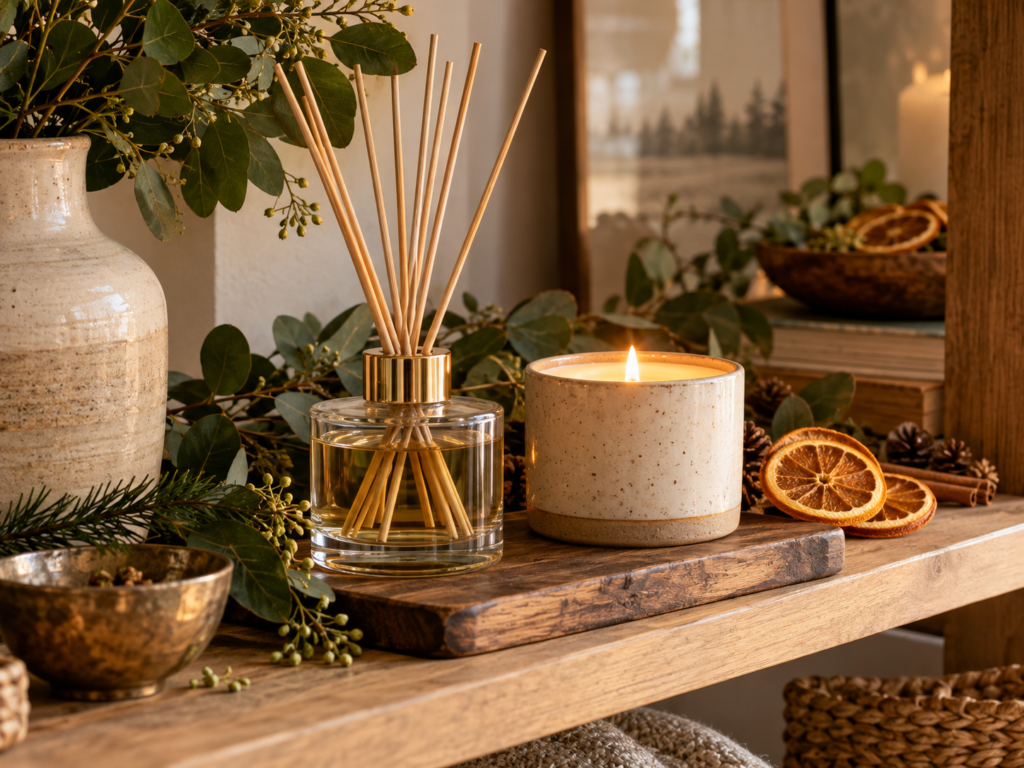
Bright citrus and green notes suit spring, aquatic and fruity scents carry summer, warm spice and gourmand notes own fall, and woody amber blends anchor winter, with clear reasons behind each shift.
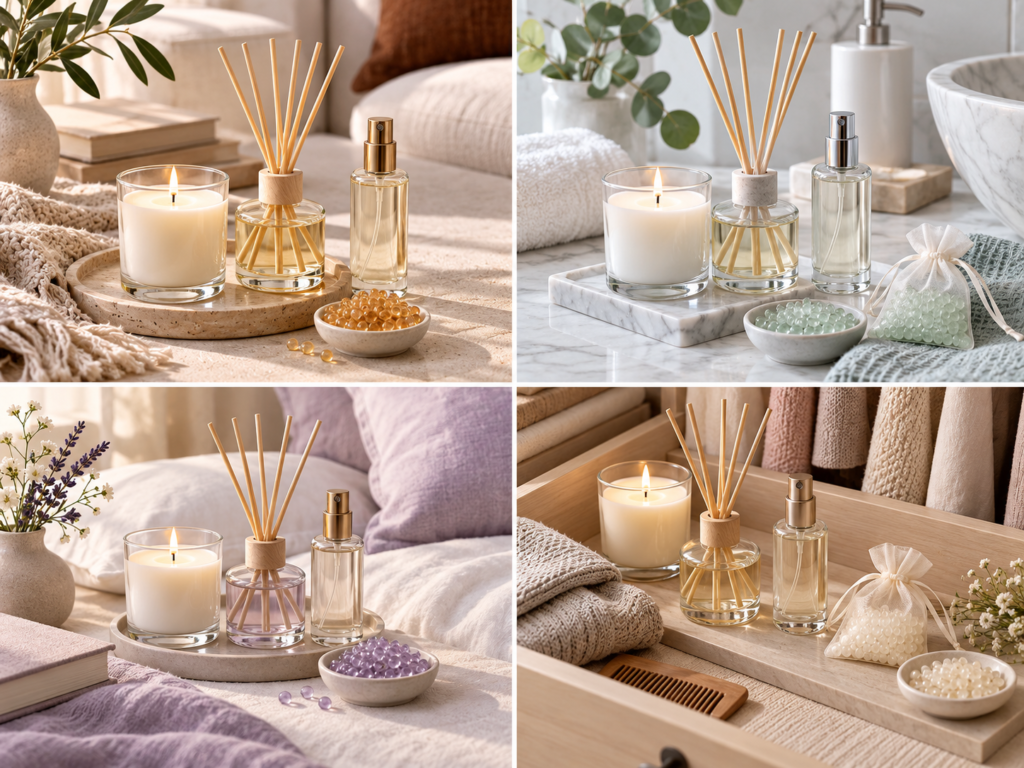
Each room in your home works best with a specific scent family and format: light citrus in the kitchen, calming low-intensity scents in the bedroom, and richer notes in shared living spaces.
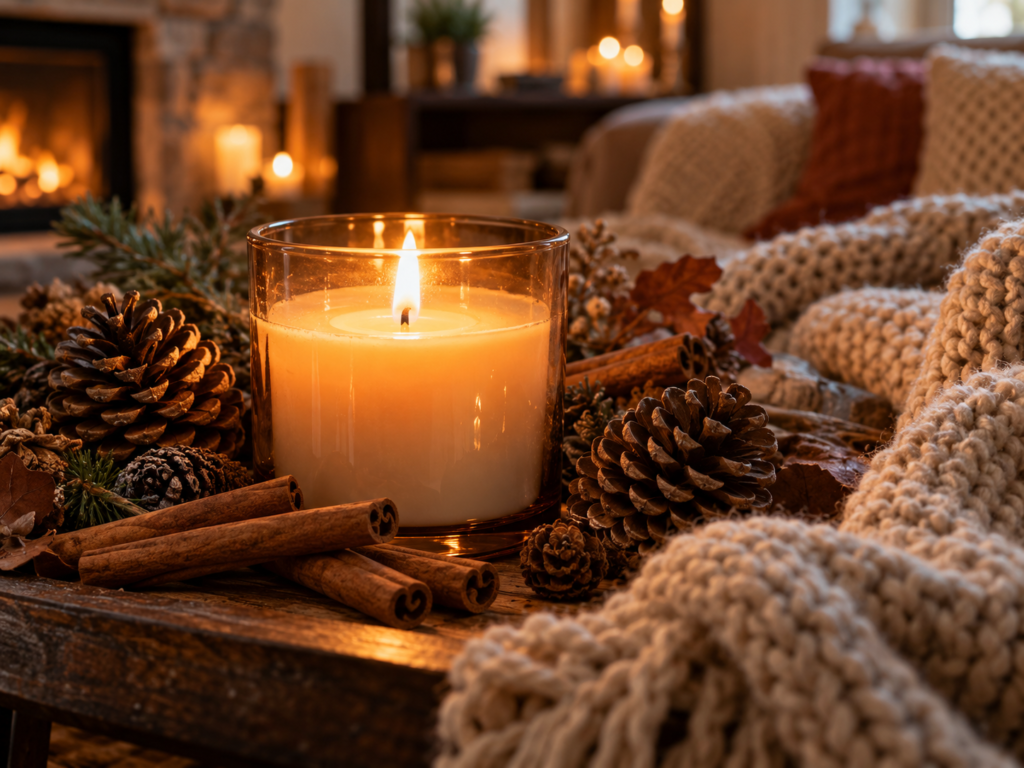
Warm spice, gourmand, and woody-amber scents create the cozy feeling most people want from fall and winter, and layering two or three complementary notes does it better than one strong candle alone.
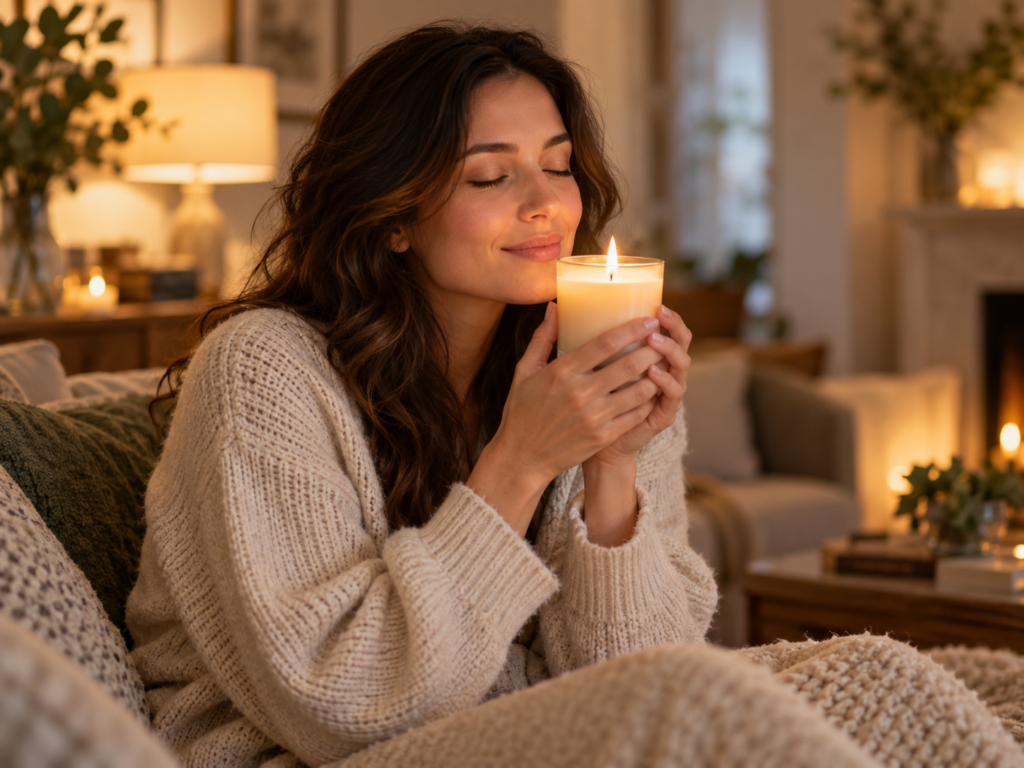
Smell is the one sense with a direct line to the brain’s emotional centers, which is why a single scent can shift your mood faster than anything you see or hear.

A house that always smells good starts with eliminating odor sources, then layering two or three scent formats at the right strength for each room.