
When people try to improve sleep, they usually focus on practical fixes—better mattresses, blackout curtains, cooler room temperatures, or less screen time before bed. Fragrance is often overlooked.
Yet scent can have a surprisingly direct influence on how a space feels at night. While fragrance won’t function like a sleep aid, the right scent profile can help create a calmer emotional environment, making it easier for the mind and body to shift into rest mode.
Whether used in home fragrance oils or gentle diffuser fragrance oils, nighttime fragrance can become part of a more intentional sleep ritual.
1. Lavender — The Most Familiar Sleep Scent
If there’s one scent almost universally associated with relaxation and sleep, it’s lavender.
Its herbal-floral character feels clean, calming, and emotionally familiar. That familiarity matters. Sometimes what helps us relax isn’t just the scent itself, but the psychological association it creates.
Lavender works especially well for people who struggle with racing thoughts, stress, or difficulty mentally switching off at the end of the day.
That said, more fragrance doesn’t mean better results. An overly strong lavender scent can quickly feel overwhelming rather than soothing. Bedroom fragrance should create atmosphere—not dominate it.

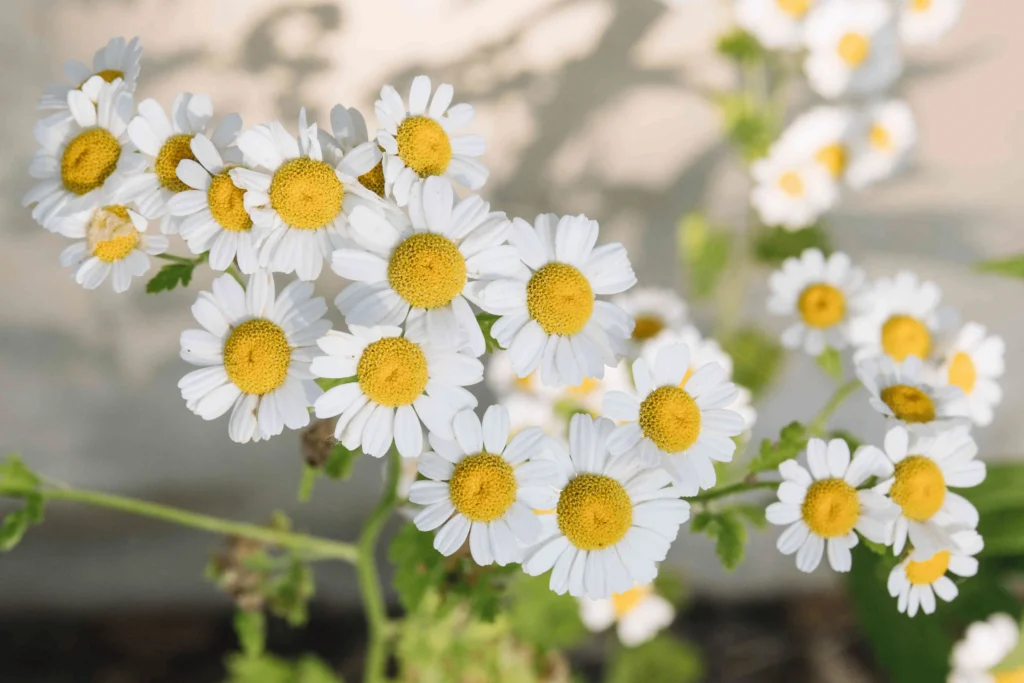
2. Chamomile — A Softer, Gentler Alternative
For people who find lavender a little too herbal or predictable, chamomile offers a softer direction.
Its scent profile tends to feel lighter, slightly sweet, and naturally comforting, with subtle floral and herbal nuances.
Chamomile works well when the goal isn’t dramatic relaxation, but simply helping the room feel quieter and more emotionally comfortable.
This makes it a practical option for softer evening ambient scent concepts, especially for people who prefer understated fragrance rather than strong aromatherapy-style scents.
3. Cedarwood — A Grounding Wood Scent
Not everyone wants floral fragrances in the bedroom.
For those who prefer something cleaner, drier, and more sophisticated, cedarwood is often a better fit.
Its woody, warm, slightly resinous profile creates a grounded atmosphere without feeling overly therapeutic. Instead of telling your brain “it’s bedtime,” cedarwood simply makes the space feel calmer and more stable.
That’s one reason woody scent profiles are often used in premium ambient scent design, boutique spaces, and even hotel fragrance oils designed to create relaxing guest environments.
If this direction appeals to you, our woody fragrance oil collection explores similar scent profiles.

4. Sandalwood — Warm, Smooth, and Comforting
Compared with cedarwood, sandalwood feels softer, warmer, and more enveloping.
Its creamy wood character creates a sense of comfort rather than freshness, which makes it particularly effective for people who feel physically tired but mentally overstimulated.
Some scents refresh a room. Sandalwood changes the emotional tone of it.
That’s why sandalwood-inspired profiles are commonly used in premium home fragrance oils and relaxation-focused scent environments.
If your ideal nighttime atmosphere feels warm, quiet, and sophisticated rather than floral or airy, sandalwood is a strong option.

5. Bergamot — The Unexpected Citrus Choice
Most people associate citrus scents with daytime energy, freshness, and brightness—not sleep.
Bergamot is different.
Unlike lemon, which can feel sharp and stimulating, or orange, which often feels sweeter and more energetic, bergamot has a softer, smoother personality.
It brings freshness without overstimulation.
This makes bergamot a surprisingly effective nighttime scent for people who dislike heavy fragrances but still want the room to feel clean and fresh.
If you’re interested in understanding citrus fragrance structure, our guide on why citrus notes are so popular in fragrance offers deeper insight, while our citrus fragrance oil collection explores related scent profiles.

Sleep Quality Depends on More Than Just Scent
Choosing the right fragrance matters—but how it’s used matters just as much.
A common mistake is assuming stronger fragrance automatically means stronger relaxation.
In reality, poor scent use often creates the opposite effect.
Common issues include:
- fragrance that feels too concentrated
- overly sweet scent profiles that make the room feel stuffy
- diffusers running aggressively throughout the night
- scent fatigue caused by constant exposure
A better approach is to use fragrance as part of a bedtime transition.
Low-intensity diffusion for 30 to 60 minutes before sleep often feels far more natural than continuous overnight fragrance output.
This is one reason scent developers often focus not just on fragrance composition, but also delivery experience in custom fragrance development.
Final Thoughts
There’s no universal “best” scent for better sleep.
Some people immediately relax with lavender. Others respond more naturally to woody profiles or lighter citrus notes.
The real goal isn’t chasing the most popular sleep fragrance—it’s finding a scent that helps your mind recognize that the day is ending.