
Table of Contents
Luxury designer fragrances have shaped global scent culture for decades. From refined French compositions to modern Italian fashion-inspired aromas, each fragrance house has developed a distinctive olfactory signature that communicates identity, emotion, and lifestyle.
For businesses seeking to create a custom fragrance — whether for hotels, retail environments, lifestyle products, or private label collections — understanding luxury fragrance styles is an essential starting point.
At Chengquan, we help brands translate high-end fragrance aesthetics into original, legally compliant, and commercially viable custom scent solutions. This guide explains how luxury fragrance styles are structured and how they can inspire professional custom scent development.
What Defines a Luxury Designer Fragrance Style?
A luxury fragrance style is not defined by a single formula. Instead, it reflects a consistent olfactory philosophy built around:
Structured scent architecture
Carefully balanced top, heart, and base notes
Emotional storytelling
Premium raw material selection
Memorable dry-down characteristics
For example:
French haute perfumery often emphasizes elegance and floral refinement.
Italian fashion-inspired scents frequently combine freshness with sensual warmth.
British luxury houses may favor woody, leathery, or heritage-driven compositions.
For B2B fragrance development, the goal is not to replicate a specific branded perfume, but to analyze its structural logic and reinterpret that aesthetic in an original formulation aligned with your brand identity.
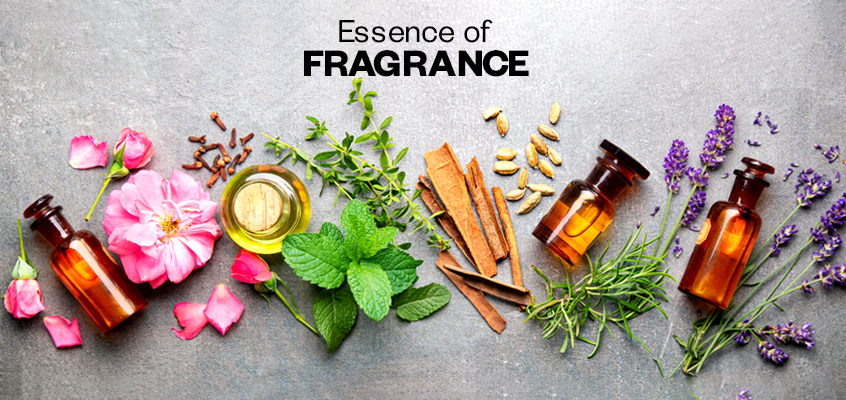
Understanding Fragrance Architecture: The Foundation of Custom Development
Every high-quality fragrance follows a three-layer structure:
1. Top Notes – First Impression
Top notes create the immediate sensory impact. They are usually light and volatile.
Common materials:
Citrus oils
Green notes
Light spices
In commercial spaces, top notes establish atmosphere within seconds.
2. Heart Notes – Core Identity
The heart (or middle notes) defines the fragrance personality.
Common materials:
Floral accords
Fruits
Aromatic herbs
This is where brand positioning is expressed — elegant, modern, bold, comforting, or energetic.
3. Base Notes – Longevity & Memory
Base notes provide depth and persistence.
Common materials:
Woods
Musk
Amber
Vanilla
Resins
In scent branding and hospitality environments, base notes create emotional recall and long-term brand association.
At Chengquan, we carefully engineer this three-phase progression to ensure balance, stability, and performance across different scent delivery systems.
Custom Fragrance vs. Off-the-Shelf Perfume Oils
Businesses typically face two options:
Option 1: Using Ready-Made Fragrance Oils
Advantages:
Faster implementation
Lower initial cost
Limitations:
Limited uniqueness
Potential market overlap
Reduced brand exclusivity
Option 2: Developing an Original Custom Fragrance
Advantages:
Fully proprietary scent profile
Strong brand differentiation
Long-term brand asset creation
Adaptability across product lines
While custom development requires greater strategic planning, it provides sustainable brand value — especially in hospitality, retail chains, and lifestyle product manufacturing.
Chengquan specializes in this second approach, focusing on original compositions inspired by luxury fragrance structures rather than imitation.
The Professional Custom Fragrance Development Process
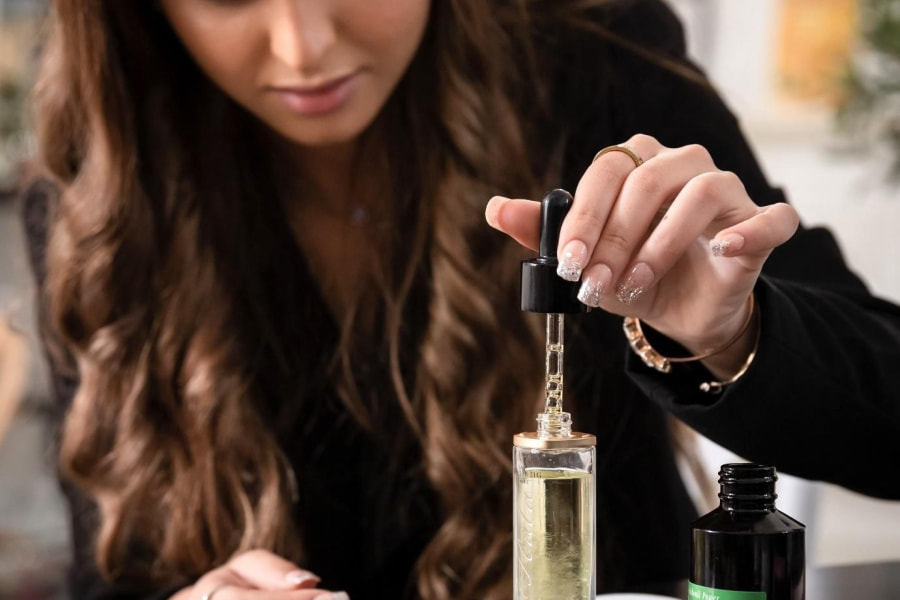
Creating a signature scent involves more than blending aromatic ingredients. It requires a structured development framework.
1. Brand & Market Assessment
We begin by analyzing:
Brand positioning
Target audience
Geographic market
Application environment (hotel lobby, SPA, retail store, consumer product, etc.)
This ensures the scent aligns with brand identity and customer expectations.
2. Olfactory Direction & Concept Design
Based on research, we define:
Mood keywords
Fragrance family (floral, woody, fresh, oriental, gourmand, etc.)
Emotional objectives
Performance requirements
This phase transforms abstract brand values into scent direction.
3. Laboratory Formulation & Sample Development
Our perfumers create initial prototypes.
The process may include:
Multiple iterations
Stability testing
Performance evaluation in real environments
We prioritize originality and compliance with international standards.
4. Evaluation & Refinement
Clients review sample versions.
Adjustments may involve:
Increasing projection
Softening top notes
Enhancing warmth in the base
Improving diffusion compatibility
This collaborative refinement ensures the final formula reflects both creative and commercial objectives.
5. Production & System Integration
Once finalized, the fragrance is optimized for:
Diffusion systems
Room sprays
Candles
Reed diffusers
Personal care or lifestyle products
Quality control protocols are implemented to maintain batch consistency.
Key Factors Influencing Custom Fragrance Cost
The investment required for a custom fragrance depends on several variables:
1. Formula Complexity
More layered structures require additional raw materials and development time.
2. Ingredient Quality
Natural essential oils and high-grade aroma compounds increase cost but elevate depth and authenticity.
3. Development Iterations
More revisions extend laboratory time and evaluation cycles.
4. Application Format
A scent designed for HVAC diffusion differs from one for personal care or consumer packaging.
5. Volume Commitment
Production scale significantly affects per-unit pricing.
At Chengquan, we provide transparent cost planning at the early stage to ensure feasibility and scalability.
How Luxury Styles Inspire — Without Copying
In professional fragrance development, inspiration does not equal duplication.
Instead, we analyze:
Structural balance
Material combinations
Emotional positioning
Longevity strategy
We then create an original formulation using independent compositions.
This approach ensures:
Legal safety
Brand authenticity
Sustainable differentiation
All custom fragrances developed by Chengquan are based on original formulations and comply with international regulatory standards.
Why Choose Chengquan for Custom Fragrance Development?
Chengquan combines technical expertise with strategic brand understanding.
We offer:
Experienced perfumery team
Structured development workflow
B2B-focused collaboration model
Multi-format production capability
Consistent quality control systems
Our goal is not to replicate a luxury perfume, but to build a signature scent architecture that enhances your brand’s long-term positioning.
Conclusion
Luxury designer fragrance styles provide valuable inspiration for modern scent development. By understanding fragrance architecture, emotional storytelling, and raw material balance, brands can create distinctive and commercially successful custom fragrances.
Whether you are developing a hotel scent identity, retail atmosphere solution, or private label fragrance line, Chengquan provides professional guidance from concept to production.
If you are exploring custom scent development for your business, our team is ready to assist in creating an original fragrance that reflects your brand vision.