
If you plan to launch your own private label candle line in 2026, the most practical route is usually not building your own production setup from scratch. A faster and lower-risk approach is working with an experienced manufacturer to handle fragrance development, packaging execution, sampling, and scalable production.
The real challenge is rarely making a candle—it’s building a product line with clear positioning, the right scent strategy, and a supply chain that can support growth.
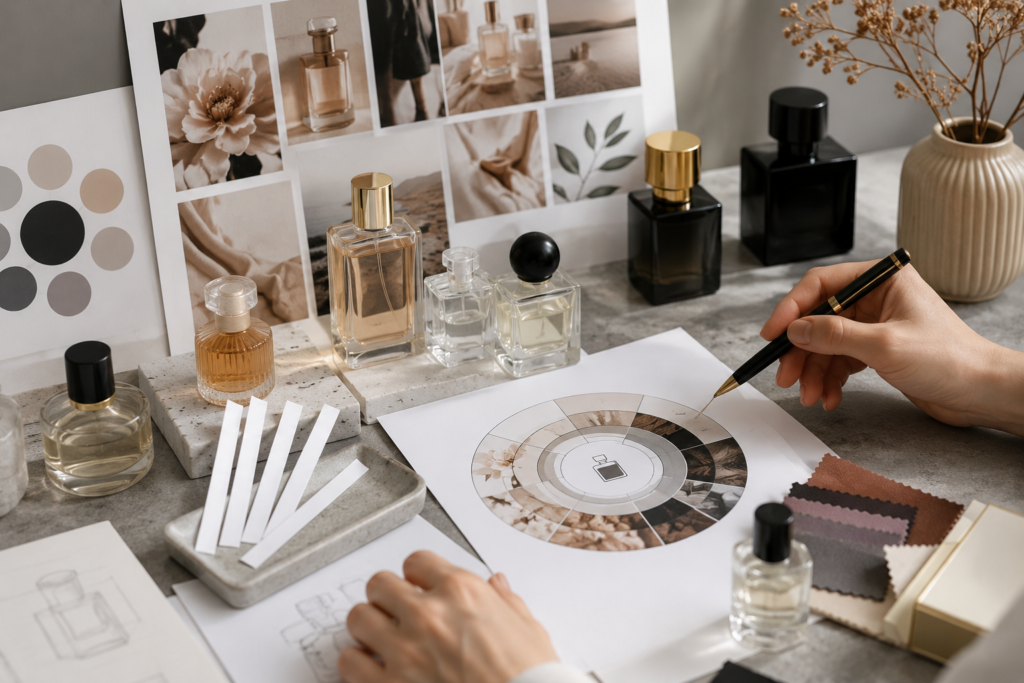
Step 1: Define Your Brand Positioning
The first step is not choosing a fragrance. It’s deciding who you’re selling to.
Different markets require completely different product strategies. A premium home fragrance brand may focus on layered scent profiles and elevated packaging, while a gift-focused brand may prioritize visual appeal and accessible pricing. Wellness-oriented collections often lean into relaxation, sleep, and self-care positioning.
The clearer your target market, the easier every product decision becomes.
Step 2: Plan Your Candle Collection
Avoid launching with a single random scent. A more professional approach is to build a small but intentional collection.
For most new brands, 3–5 SKUs is a practical starting point. For example:
- relaxing scents (lavender / sandalwood)
- fresh scents (citrus / bergamot)
- warm scents (vanilla / amber)
The goal is not offering more fragrances—it’s creating a collection that feels cohesive and commercially focused.
Step 3: Build the Right Fragrance Direction
Many first-time founders choose scents based on personal preference, but fragrance selection is ultimately a market decision.
Premium markets often respond better to woody, amber, fig, or more layered fragrance concepts. Broader lifestyle markets typically favor more familiar profiles such as lavender, vanilla, or citrus.
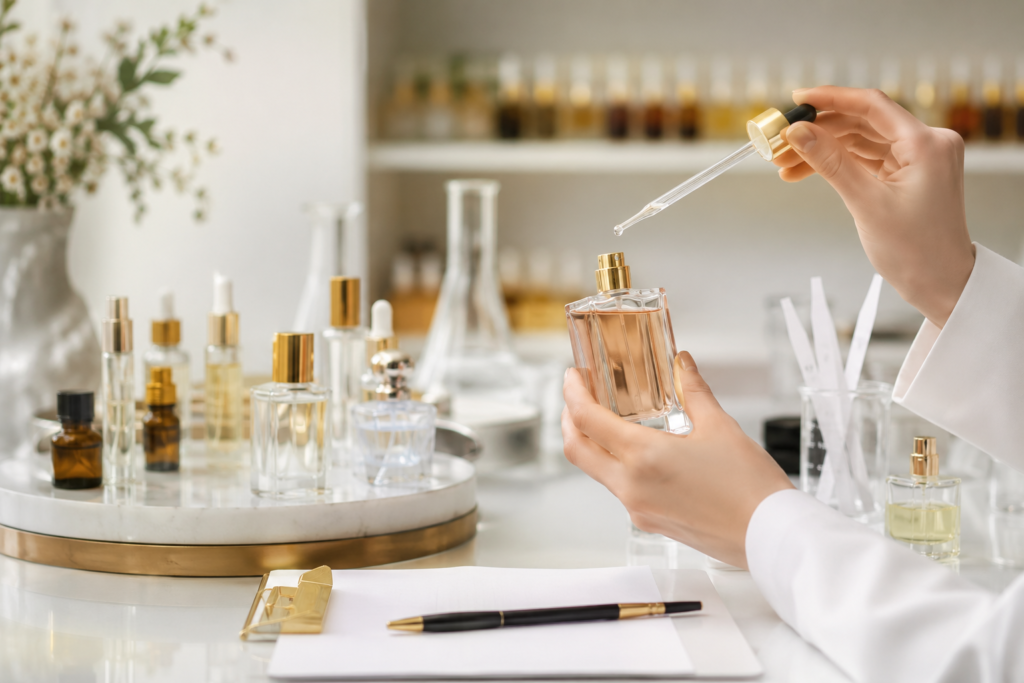
If you already have reference scents in mind, custom fragrance development or fragrance duplication service can help shape a clearer scent strategy.
Step 4: Confirm Packaging and Product Structure
A candle is not just a fragrance product—it’s also a packaging-driven product.
At this stage, you’ll need to define:
- wax type
- vessel style
- lid options
- label format
- outer packaging design
Packaging directly affects brand perception, MOQ, shipping cost, and final retail pricing.
Step 5: Confirm MOQ and Budget
Before moving into development, you need to understand the commercial boundaries.
This typically includes:
- MOQ
- sample cost
- packaging budget
- production lead time
- shipping cost
Many new projects fail not because the product is wrong, but because the financial expectations were unrealistic.
For a first launch, over-customizing too early is rarely the smartest move.
Step 6: Test Samples Properly
Sample approval is not just about whether the scent smells good.
You should also evaluate:
- cold throw
- hot throw
- burn performance
- soot level
- packaging quality
The purpose of sampling is to identify problems early—not to rush into production.
Step 7: Move into Production and Launch Preparation
Once samples are approved, production begins.
A capable manufacturing partner should control:
- fragrance consistency
- wax filling quality
- wick alignment
- packaging inspection
- batch consistency
At the same time, your launch preparation should include:
- product photography
- product page copy
- brand story
- FAQ
- sales materials
Getting the product made is only part of the process. A successful launch depends on execution in the market.
Fragrance Solutions For Brands
Our business goes beyond fragrance manufacturing. We support brands with custom fragrance development, private label production, fragrance duplication, and scalable wholesale supply—helping transform scent concepts into market-ready products with greater speed and consistency.
Final Answer
If you want to launch a private label candle brand in 2026, the most practical path is simple: define your market, plan your collection, develop the right fragrance direction, and work with a manufacturing partner who can scale with you.
Successful candle brands are not built by simply making a product—they’re built by aligning fragrance experience, packaging strategy, cost control, and reliable execution.